Lisbon · Included with the card
Centro Interpretativo da História do Bacalhau (Codfish History Centre)
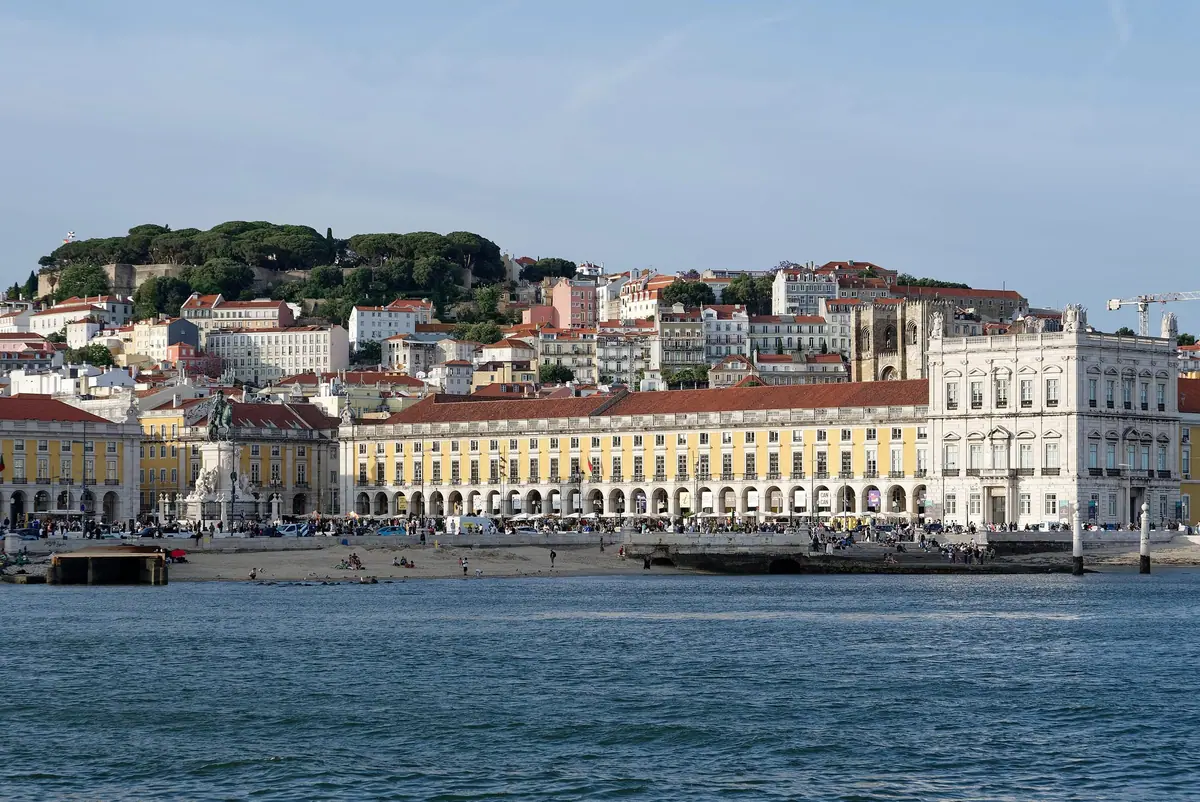
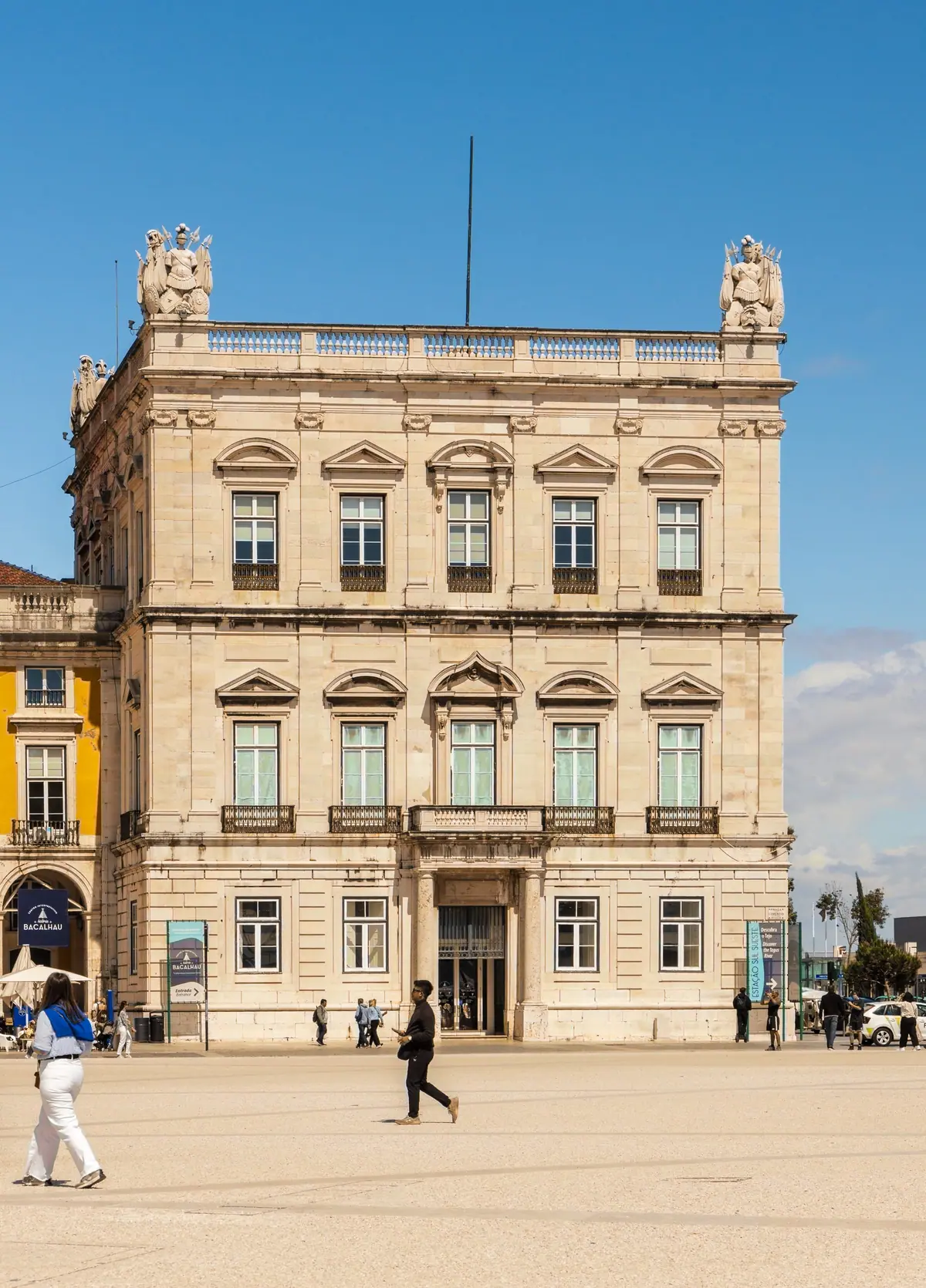
Lisbon's cod museum, the Codfish History Centre, follows the men who sailed to Newfoundland and Greenland for six-month seasons and fished alone from small rowing boats. What they brought home was bacalhau, the salt cod that Portuguese cooking can't do without. It sits in a corner tower of Praça do Comércio, and the Lisboa Card gets you in.
Before you go
- Time inside45 min
- Weekly closingNone


Inside the Codfish History Centre: the sea, then the table
The exhibition fills two floors of the tower in two parts, The Sea and At the Table. Every text is in Portuguese and English, and there’s an optional audio guide you download as an app.
The Sea opens with a giant illuminated book on the discovery of Newfoundland and the fishing grounds of the North Atlantic.
Around it are more than 40 objects lent by the maritime museum in Ílhavo, the fishing town that sent many of the crews. They have names like chupeta, depa and zagaia, and the game is to work out what each one was for.
Next comes the goodbye. Every year thousands of men sailed for Newfoundland and Greenland, and their families were left on the quay for months. Under António Salazar, Portugal’s dictator for decades, the blessing of the cod fishermen before they left was staged as propaganda.
After that you take the fisherman’s place in a dory, the small rowing boat each man took out alone, with the mother ship nearby and the sea projected on the walls. A minute aboard was enough to leave Time Out’s reviewer feeling the cold.
The White Fleet room jumps to the Second World War, when Portugal’s cod ships were painted white for safety, playing on the country’s ambiguous neutrality. You watch one of them leave the quay.
On board, a season lasted about six months from around April, with days of 10 to 12 hours and the catch salted on deck or in the hold.
The Sea ends with the Estado Novo, Salazar’s regime, rallying the crews and the whole country behind its Cod Campaign. Its slogan was “Bring the bread of the seas home to the fatherland”.
At the Table moves into the kitchen. Bacalhau has been eaten in Portugal since the 15th century, and it’s the star of Christmas and Easter meals. The room is called Degustação, Portuguese for tasting, and it’s a kitchen set where cooking videos play.
Along the way you meet Brás and Gomes de Sá. They gave their names to bacalhau à Brás and bacalhau à Gomes de Sá, two dishes you’ll find on menus all over Lisbon. The centre reckons it’s probably the only place in the world that tells you who they were.
The last room, Bacalhau 20.20, brings the story up to date: far less cod is caught now, stocks are limited and the climate is changing. Even so, Portugal still eats the equivalent of a fifth of the world’s catch.
Codfish History Centre tickets, hours and the Lisboa Card desk
With the Lisboa Card you walk straight in.
- Open
- Every day from 10:00; go in by 18:00 to see it all
- Closed
- 25 December
- Children
- Free up to age 5; child tickets from 6 to 15
The ticket alone is €4.50, and the 24-hour card at €31 also takes in the Lisboa Story Centre and the Rua Augusta Arch on the same square.


The centre is also an Ask Me Lisboa tourist desk, where you swap a Lisboa Card voucher for the card itself, every day until 18:30.
It’s a small place built on screens and replicas, with the Ílhavo loan as its main set of real objects. That makes it an easy 45 minutes next to the Story Centre and the arch.
On the ground floor, the Mercearia grocery sells salt cod, books and souvenirs, and there’s a mechanical aid for getting up to the first floor.
Getting to the Codfish History Centre on Praça do Comércio
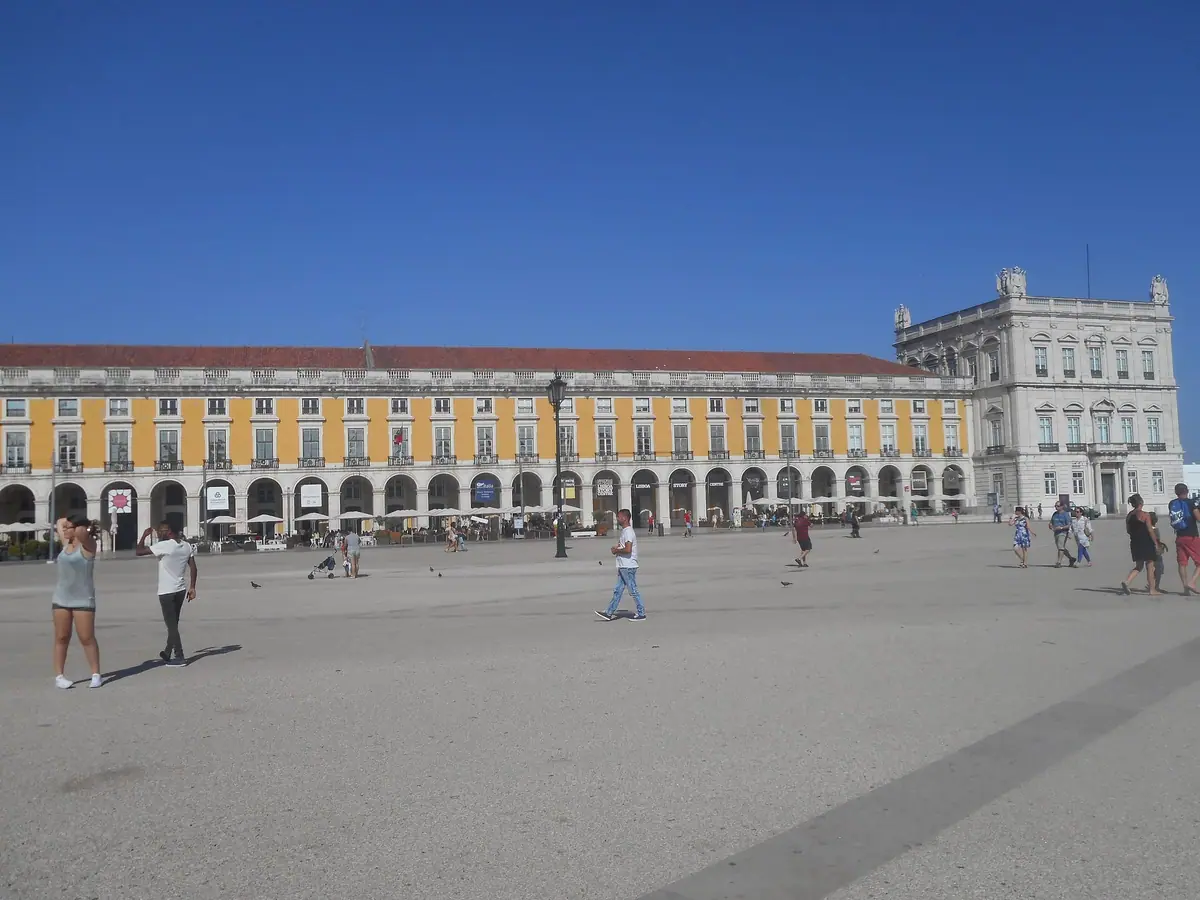
The centre opened on 22 July 2020 in the Torreão Nascente, the east corner tower of Praça do Comércio, Lisbon’s riverfront square. It closed in the pandemic and reopened on 1 May 2021.
From Terreiro do Paço metro, on the blue line, the tower is at the river end of the square’s east side; trams 15E and 25E also stop by it.
Along the square, then up to the castle
-
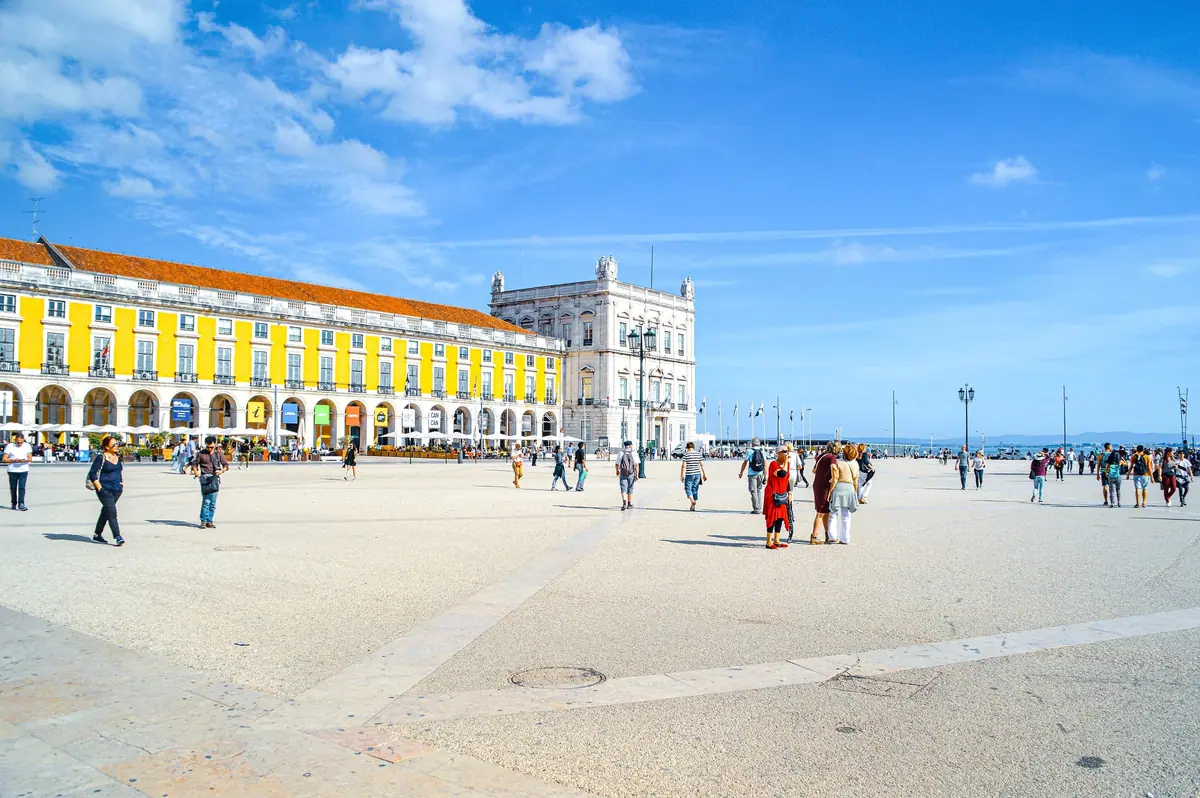 Lisboa Story Centre → Further along the same wing: Lisbon's history from its founding legends to the 1755 earthquake and the rebuilding, and on the card too.
€8 -
 Rua Augusta Arch → On the north side of the square. Go up for the view straight along Rua Augusta and over the river.
€5 -
 São Jorge Castle → The castle on the hill behind the tower, which you can see from the riverfront.
€17
Card and combos
Lisboa Card options
Pick the one that fits your trip. Prices are per adult, and you choose your dates on the next page.


Tickets
Popular tickets around Lisbon
The ones other visitors book most.


